

Novo Nordisk, Eli Lilly call their diabetes and weight loss drugs “safe and effective” as they face accusations in lawsuits that they downplayed vision loss risks.
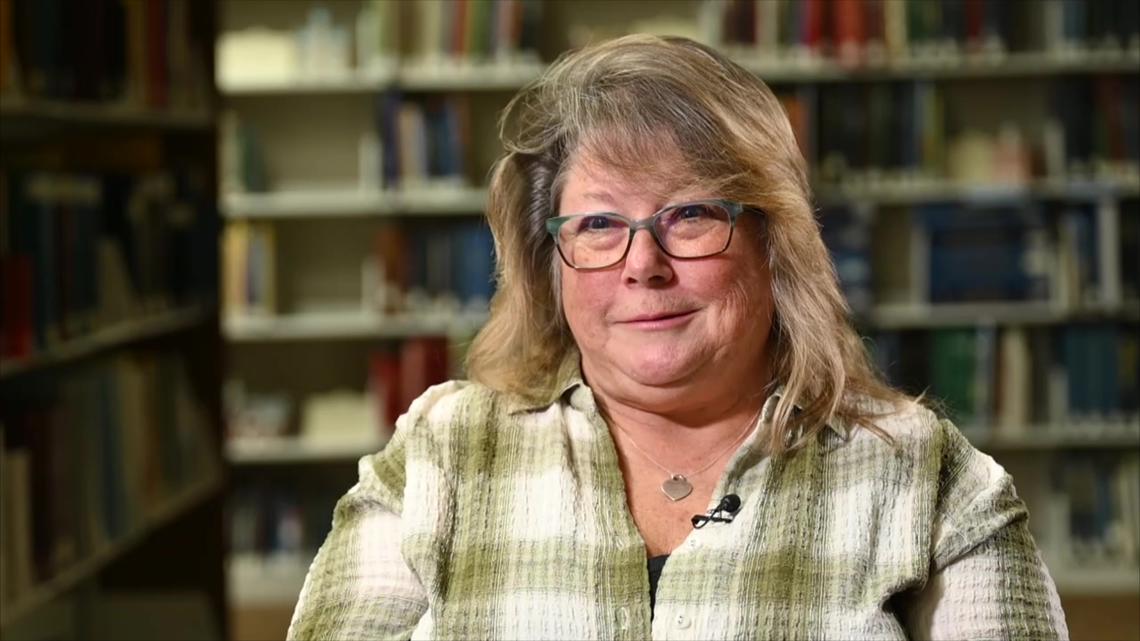
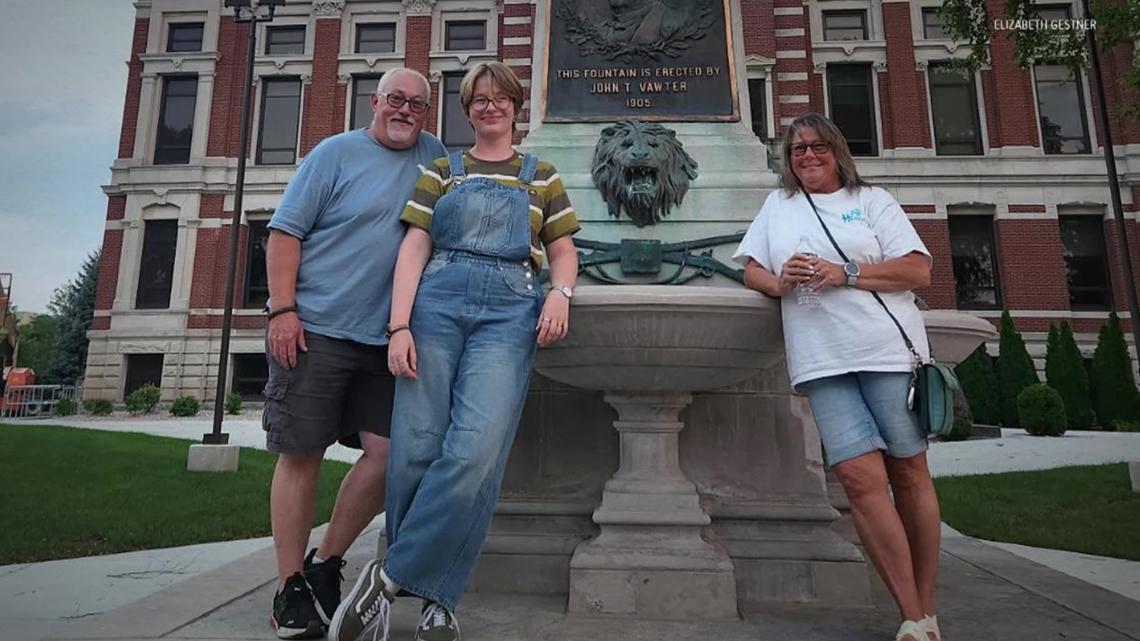
FRANKLIN, Ind. — When Elizabeth Wilde Gestner woke up one morning in September 2024, something wasn’t right. She could not see out of most of her right eye. There was no warning. No physical pain. Instead, it felt like she had “sleep” in her eye that could not be removed. Doctors determined her vision was gone, likely for good.
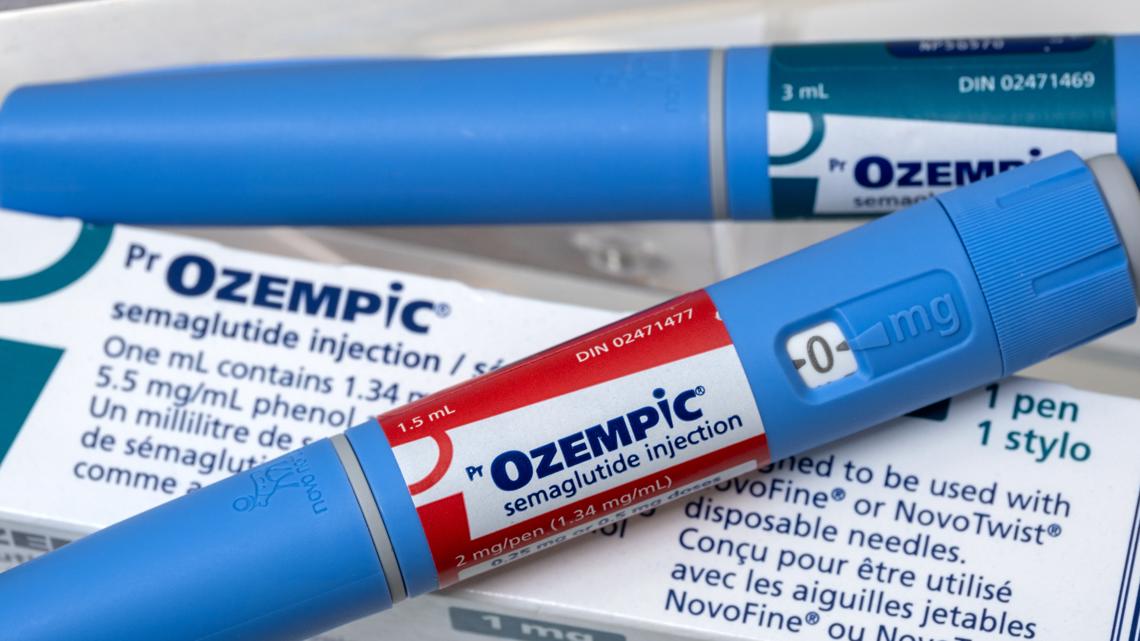
A growing amount of scientific research suggests there is a potential association between the type of GLP-1 medication Wilde Gestner was prescribed and a vision disease called NAION, or non-arteritic anterior ischemic optic neuropathy. Recently, the European Union’s agency that regulates medicine safety listed NAION as a “very rare” side effect of semaglutide — the active ingredient in some of the most popular weight loss drugs including Novo Nordisk’s Ozempic and Wegovy.
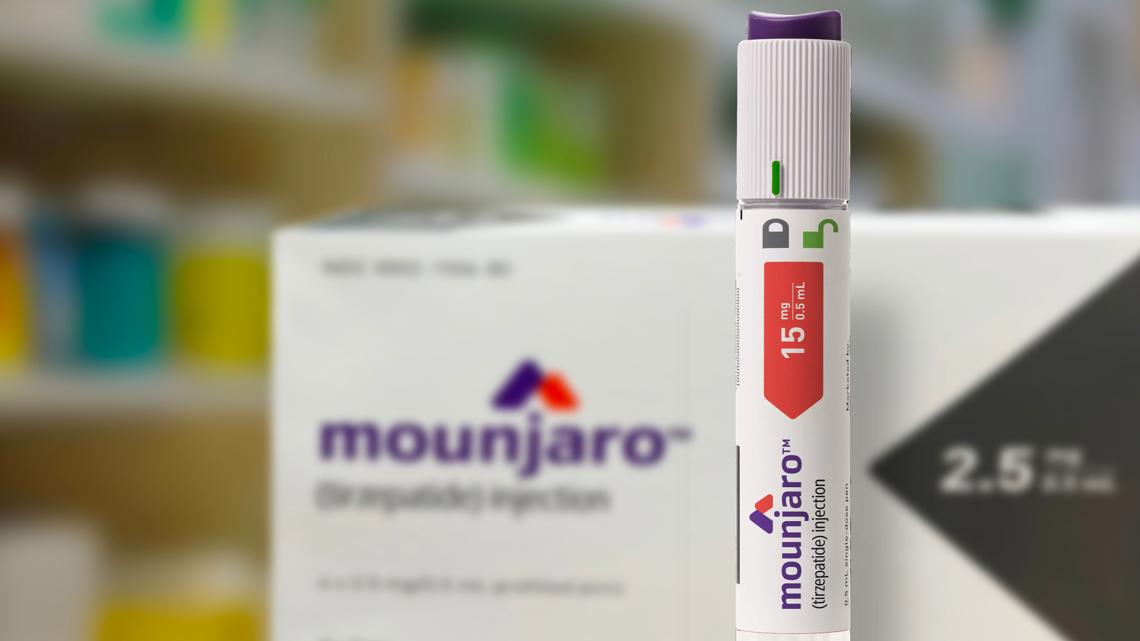
13 Investigates found dozens of lawsuits filed in state and federal courts against Novo Nordisk and Indianapolis-based Eli Lilly and Company, the largest GLP-1 manufacturers. The lawsuits allege the companies downplayed vision loss risks associated with popular medications including Ozempic, Wegovy and Lilly’s Mounjaro. In court documents, the companies argue their medications are “safe and effective” and state that “the current studies are not sufficient to show a causal association between any GLP-1 medicine and NAION.”

One woman’s story
Elizabeth Wilde Gestner says Type 2 diabetes runs in her family, and she has been managing the disease for decades. When a friend who worked at Lilly mentioned the success diabetes patients were experiencing with GLP-1s, she was intrigued and discussed medications with her doctor.
GLP-1 stands for glucagon-like peptide-1 receptor agonists. The medications artificially create a hormone the human body naturally makes. That’s good for patients with diabetes because it allows their bodies to produce more insulin so they can better manage blood sugar.
The drugs also reduce hunger and make some people feel full longer, which can assist with weight loss.
There are several versions of GLP-1s currently in use including semaglutide and tirzepatide, which are the active medication in popular brands including Ozempic, Wegovy and Mounjaro.

Wilde Gestner says the first GLP-1 her doctor prescribed made her sick.
“They put me on Trulicity,” Wilde Gestner said. “I took that for six to nine months — vomiting all the time.”
Wilde Gestner was later prescribed a different GLP-1 — Mounjaro. She said, at first, it worked like a dream.
“(It) did miracles for my blood sugar,” Wilde Gestner told 13 Investigates. “I mean, I was feeling great. I was looking great, and it was very obvious. And then one day, out of the blue, I just woke up and couldn’t see.”
That was Sept. 26, 2024 — several months after she started taking the new medication.
Wilde Gestner lost partial vision in her right eye. Now, she cannot see out of the lower portion of that eye. Her doctors determined she had a condition called NAION, or non-arteritic anterior ischemic optic neuropathy. Most health providers including the World Health Organization say the vision loss is usually permanent.
“The eye doctor likened it to having a stroke inside your eye,” Wilde Gestner said.

13 Investigates learned for most people, the damage is irreversible. At first, her doctors did not think Wilde Gestner’s GLP-1 medication was related to vision loss. Diabetes is a risk factor for NAION, so she kept taking Mounjaro for several more months.
Then, in early 2025, Wilde Gestner’s medical team noticed the optic nerve in her left eye had also started to swell. That discovery came around the same time her doctor came across new research finding a possible increase in risk of NAION for patients taking certain GLP-1 drugs.
“I went immediately off of the Mounjaro,” Wilde Gestner said. “Feb. 6 was my last dose. When I’d been off the Mounjaro for six weeks, the swelling in (the left) eye went completely down. So, I feel like we saved the vision in (my left) eye by ceasing the medication.”

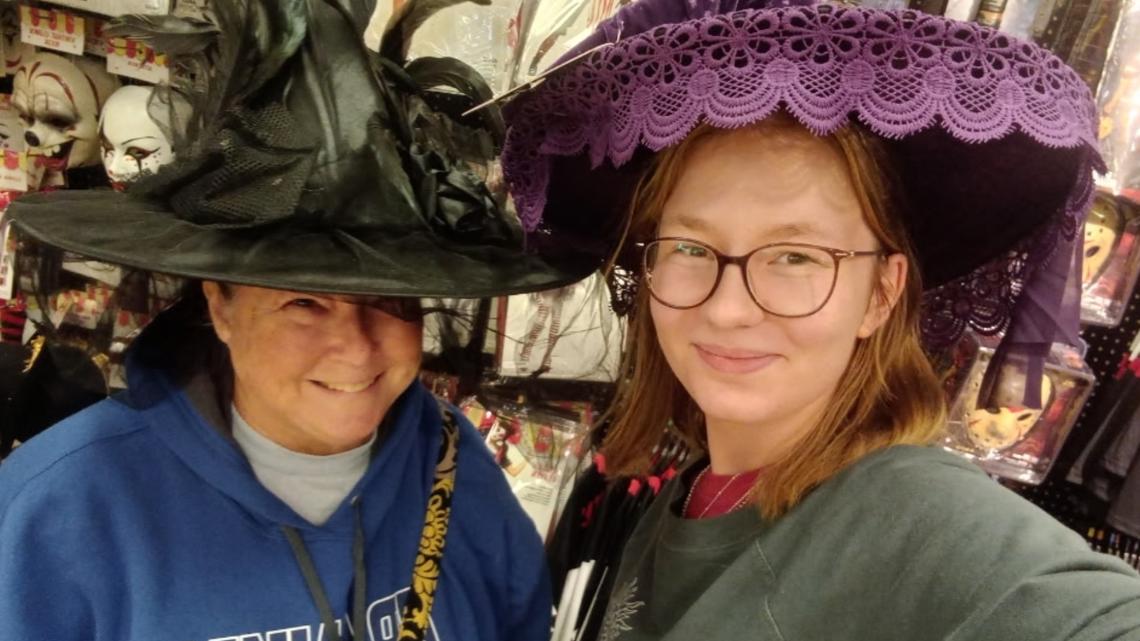
Wilde Gestner describes her eye condition as a partial disability. It impacts her driving. She works as a paralegal and says she notices her eyes strain more. She also says she’s clumsier and often trips over her dogs at home because she can’t see her feet. The Franklin resident also no longer puts on makeup.
“Can’t put makeup on without looking like a clown,” Wilde Gestner said. “A woman wants to feel pretty when they go out, and now I don’t feel like I have the opportunity to do that.”
Plane rides now come with new risks, which limit her ability to travel.
“(I) found out that pressure in the cabins on a long flight could make it to where I could lose vision in the other eye,” Wilde Gestner said.
Wilde Gestner had to cancel a trip to Europe with her husband. The couple was going to see their foreign exchange “daughter” graduate. Unfortunately, because of the risk to her vision, she missed the milestone.
“I was crying. She was crying,” Wilde Gestner said.

The research
Wilde Gestner did not know it as she was navigating vision loss, but researchers around the world were investigating NAION as a potential side effect of certain GLP-1s.
In June 2025, the European Medicines Agency, or EMA, listed NAION as a “very rare” side effect of semaglutide — the active ingredient in Ozempic, Wegovy and Rybelsus. The regulatory agency’s safety committee recommended companies update semaglutide product information to include the risk. It came to that conclusion after reviewing large epidemiological studies, including one out of Denmark, that looked at more than 420,000 patients.
The EMA says a very rare side effect means up to 1 in 10,000 people may develop the condition.
The recommendation from the EMA was not legally binding. Still, Novo Nordisk updated some product information in Europe. However, the company did not include the update in literature written for U.S. consumers.
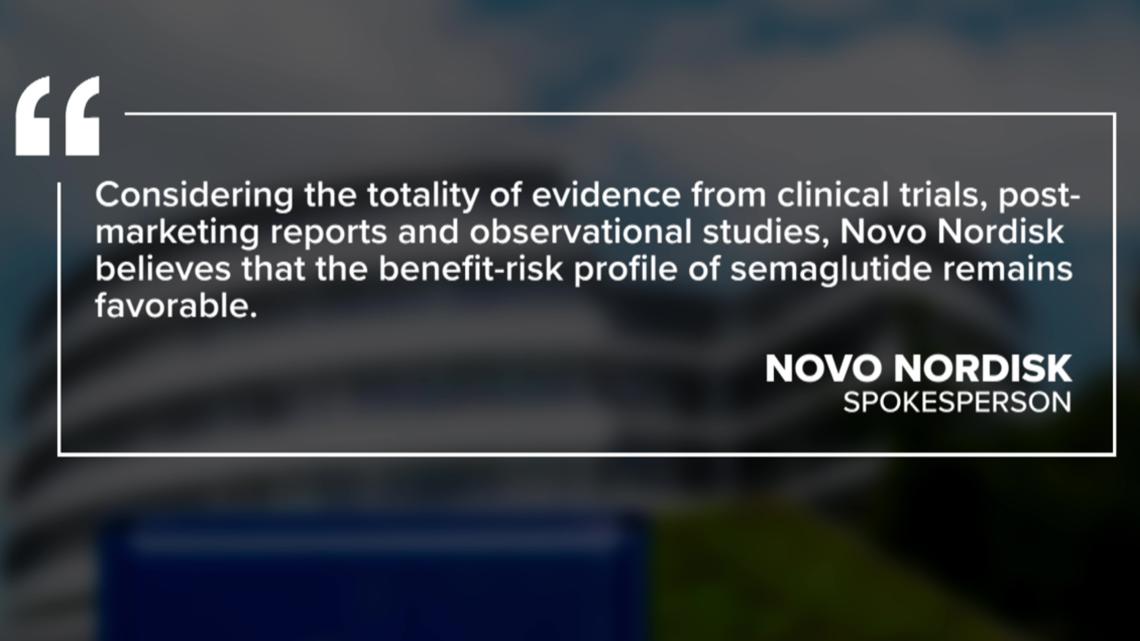
Novo Nordisk provided a statement to 13 Investigates, which states, in part, “Considering the totality of evidence from clinical trials, post-marketing reports and observational studies, Novo Nordisk believes that the benefit-risk profile of semaglutide remains favorable.”

13 Investigates reached out to see if the FDA was investigating the issue or considering asking companies to update their literature in the U.S. A press secretary for the agency directed 13 Investigates to the FDA Adverse Event Reporting System (FAERS) database. 13 Investigates reviewed the website and found more than 5,400 vision-related complaints involving semaglutide and tirzepatide medications.
The FDA’s website includes a disclaimer stating the information in FAERS comes from multiple sources including drug manufacturers, medical personnel and consumers. The agency writes that the “information does not confirm a causal relationship between the drug … and the reported adverse events.” The reports are not verified before being posted publicly.
Most of the published peer-reviewed studies 13 Investigates reviewed focus on semaglutide. However, a study conducted by researchers at Case Western Reserve University reports an increased risk of the eye disorder in patients taking both semaglutide and tirzepatide — the active ingredient in Mounjaro which Wilde Gestner took.
In August, JAMA Network Open published the retrospective observational study which reviewed the medical history of 159,398 patients with Type 2 diabetes who had no prior eye disorders. Half of the patients were prescribed a medication using semaglutide or tirzepatide, and the other half were not. The team then reviewed the patients’ two-year follow-up to see how many of the patients were diagnosed with NAION.
“We found a 76% increased risk,” researcher Lindsey Wang said. “Amounts to around two more cases per 10,000 patients who take this drug.”

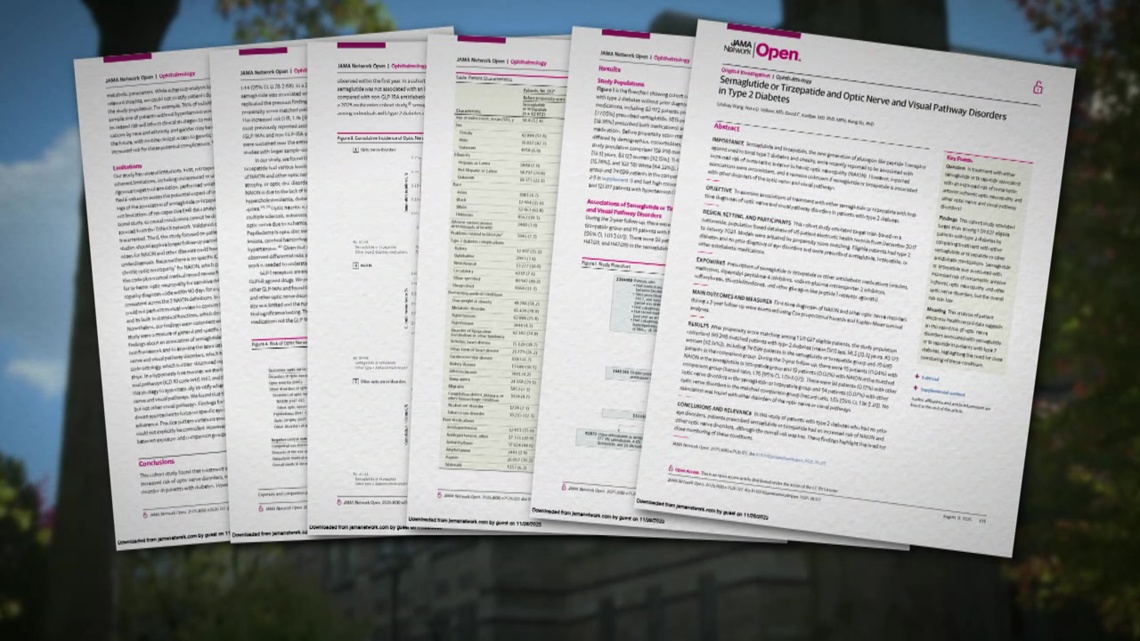
Wang and her fellow researchers concluded the “overall risk was low” but believe the “findings highlight the need for close monitoring of these conditions.” Because of the limitations of the study, researchers cannot prove the drugs lead to an increased risk of NAION.
“The most we can say is that there is an association,” Wang said.
Wang thinks the benefits of taking the drugs will outweigh the risk for most patients.
13 Investigates reached out to Lilly about the studies. A spokesperson sent the following statement:
“Patient safety is Lilly’s top priority, and we actively engage in monitoring, evaluating, and reporting safety information for all our medicines. As part of our routine safety review process for tirzepatide, we have ongoing discussions with regulators regarding potential safety topics, and we will continue to review data, including any data regarding ophthalmic issues.
If someone is experiencing any side effects while taking any Lilly medication, we encourage them to speak with their healthcare provider. Additionally, anyone experiencing side effects from a Lilly medicine can call The Lilly Answers Center at 1-800-LillyRx (1-800-545-5979). ”
Wilde Gestner said she noticed Lilly now lists “changes in vision” as a potential side effect of Mounjaro. The website encourages users to notify a health care provider if there are changes in their vision during treatment. NAION is not explicitly referenced.
“Too little too late,” Wilde Gestner said.
The legal fight
Wilde Gestner believes drug companies should have been more transparent, telling 13 Investigates she never would have thought her vision would be at risk from the medication.
Dozens of lawsuits are now making their way through state and federal courts with plaintiffs who claim Novo Nordisk and Eli Lilly are responsible for vision loss injuries.
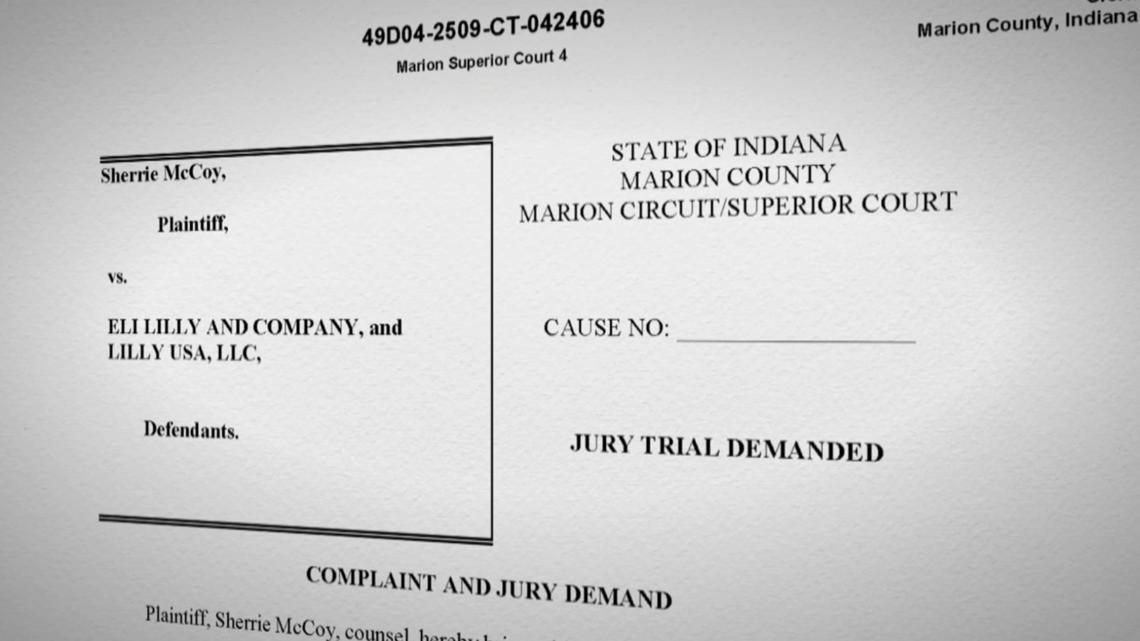
In September, the first NAION lawsuit was filed in Indiana against Lilly.
Court documents filed on behalf of a woman from Kentucky stated, “Defendants failed to warn about the risk of NAION with Mounjaro.”
Court records show Lilly has not yet responded to the lawsuit. The company is trying to move it and more than 50 other lawsuits filed in Marion County, where Lilly is headquartered, to federal court.

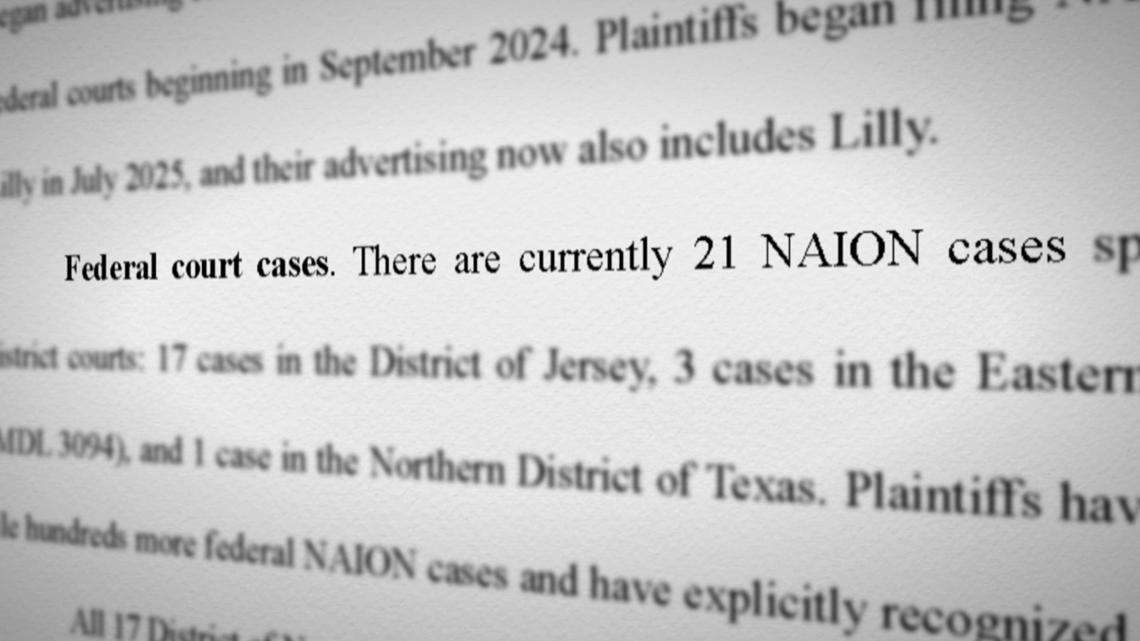
The company is also asking a panel of federal judges to combine the vision loss lawsuits with a much larger multidistrict litigation (MDL) involving patients who report severe gastrointestinal issues after taking GLP-1 drugs.
In court filings, Lilly argued that its “prescription GLP-1 medicines (Mounjaro, Trulicity, and Zepbound) are safe and effective treatment.” The company goes on to argue combining the legal cases together could help with “resolving core questions about whether there is reliable scientific evidence showing that Lilly’s medicines are even capable of causing NAION will be a critical issue in all NAION cases—particularly given the literature’s repeated disclaimers that the current studies are not sufficient to show a causal association between any GLP-1 medicine and NAION.”
“It’s a relatively unusual scenario,” attorney Robert King said.
King represents Wilde Gestner and hundreds of other people who report developing severe side effects after taking these medications.
“We are certainly bringing a claim for Ms. (Wilde) Gestner, as well as about 400 other individuals whose eyes have been affected while they were taking GLP-1s,” King said.

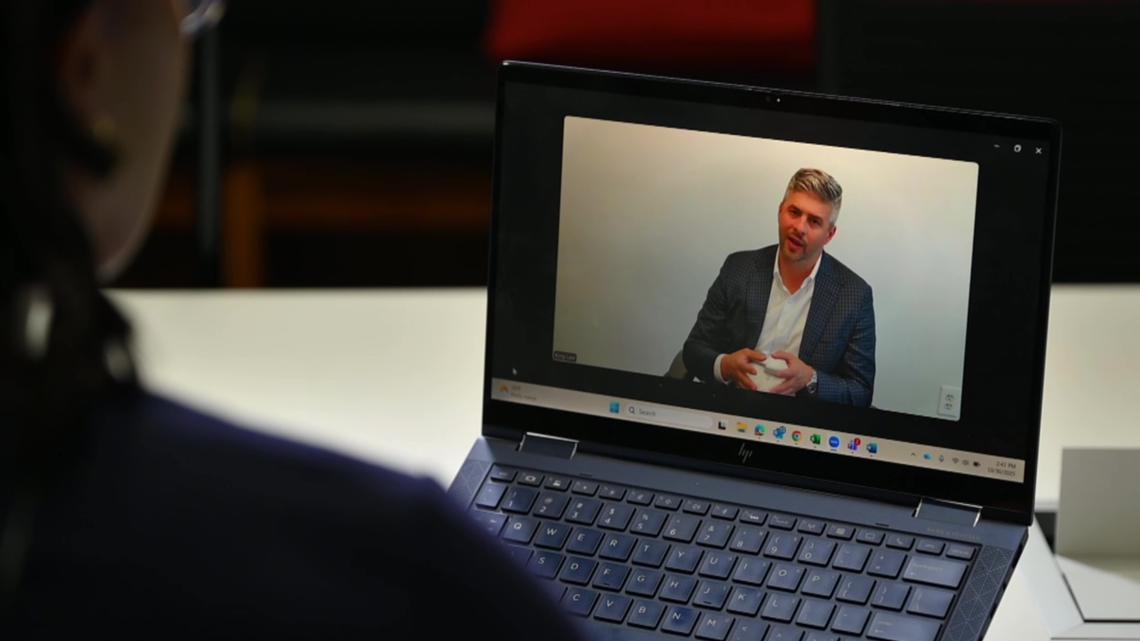
King and other attorneys are now waiting to see what the panel of judges decides. If the judges do not add the vision injury cases to the current MDL, many attorneys believe the NAION cases will be funneled into a new MDL.
The panel of judges are scheduled to meet on that topic in December and could potentially release an opinion before the end of the year.
“When that decision is made, we’ll make a determination that we think is best for every client,” King said, “whether the case should be filed in federal court or state court, and that’s really our obligation to all the clients, is to decide what’s best for them.”
Wilde Gestner says she’s considering legal action for one simple reason — her life is changed forever.
“I don’t know what else they can do,” Wilde Gestner said. “It’s not like they can give me a new eye.”

Source link
